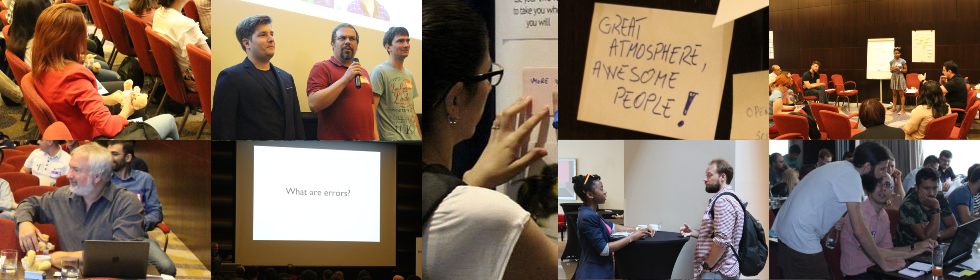
First edition, featuring Rebecca Wirfs-Brock, Sandro Mancuso, Radu Marinescu as our academic speaker, and many community organizers from around Europe

Technical Open Space
During this unconference we have a special time slot called Open Space. In it, you can present ideas and learn from others by having free conversations on interesting topics and engaging in live coding.
The Open Space does not have a pre-defined agenda. The participants themselves create it for the group, in the opening (about 20 minutes). A facilitator invites attendees to think about and propose relevant topics that they would like to discuss with their peers.
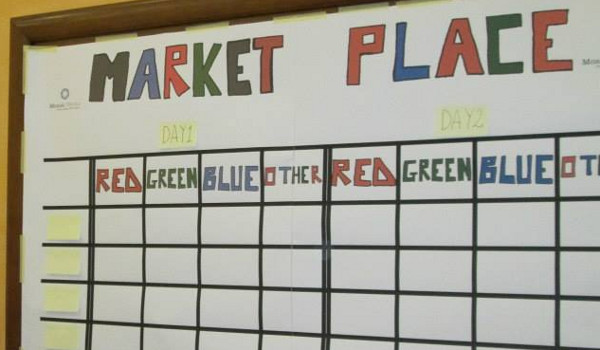
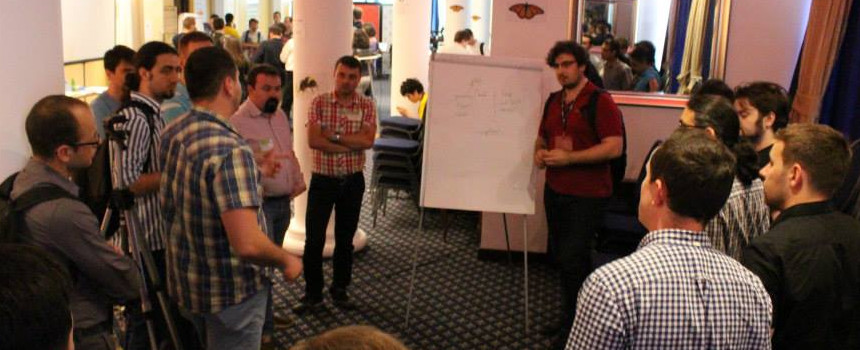
You can propose one or more sessions, as long as there are available slots on the marketplace. The marketplace is a visual agenda for the Open Space, with 4-6 designated places and 3-4 time slots. You can see an example of a completed market place below. At the time of your session you need to be at the designated place and lead the discussion. You don’t need to be an expert on the topic, it can even be something you are curious about and would like to learn from other attendees and speakers.
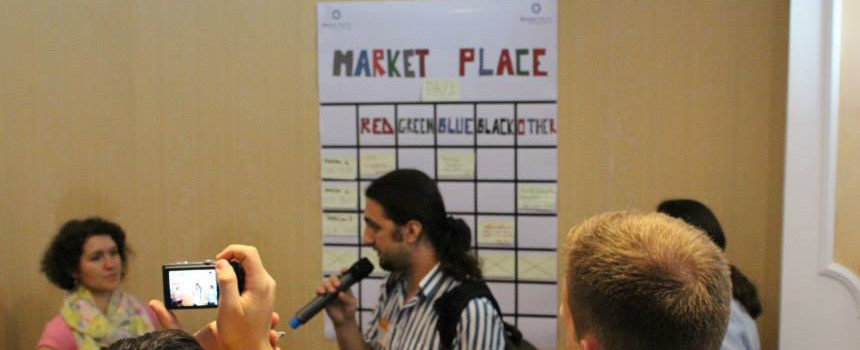
Every Open Space session is self-organized, where the only rule that applies is The law of two feet: “If at any time during our time together you find yourself in any situation where you are neither learning nor contributing, use your two feet, go someplace else.”.
The session ends when it ends. If the discussion is running out of fuel, everyone should feel free to move to another session that is happening in parallel. On the contrary, if you want to continue the discussion, there’s always plenty of space in the lobby or at the bar.
[Video] Henk Boelman – Unleash some AI into the wild
Want to know more about Unleashing some AI into the Wild? Here we have a short teaser from Henk Boelman.
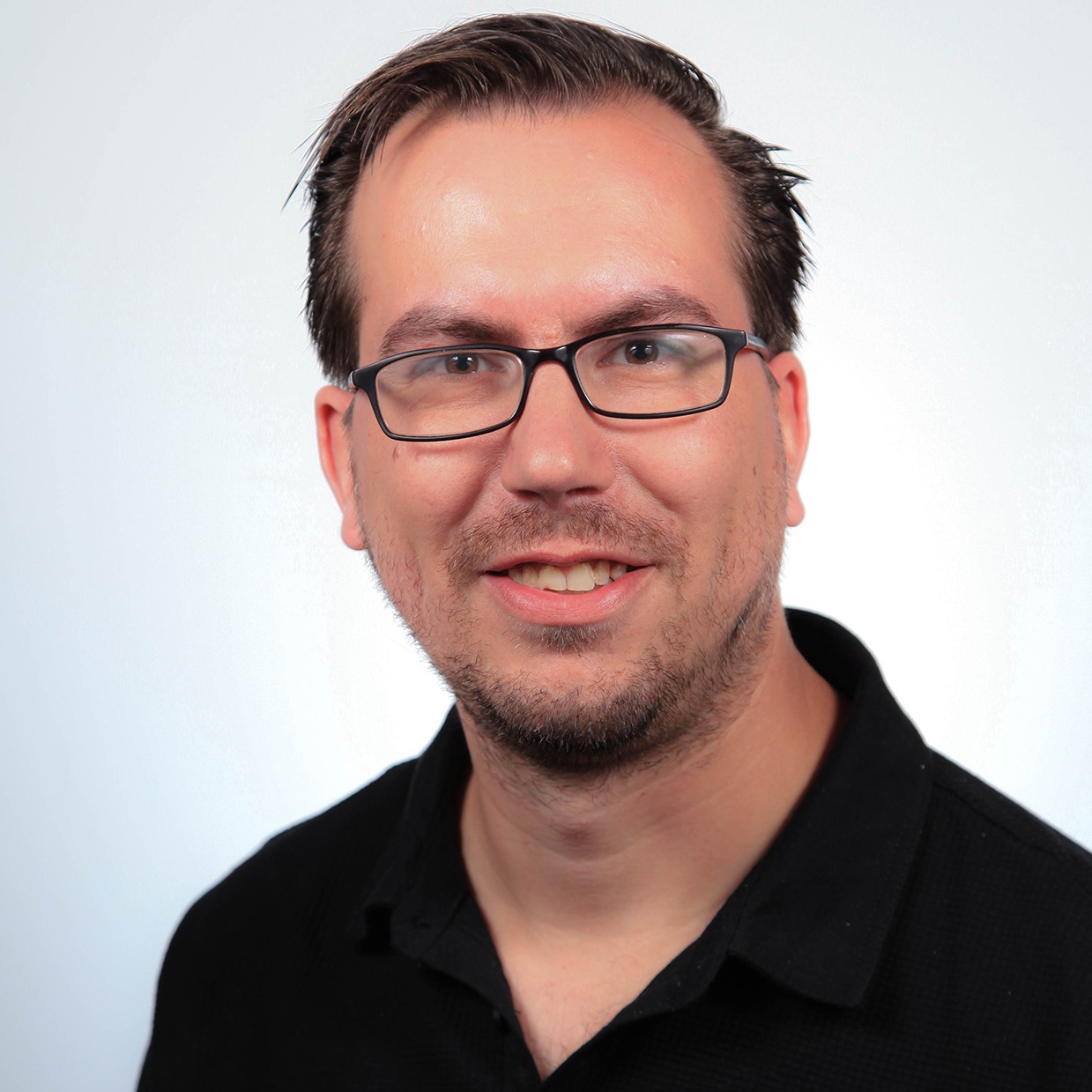
He started out as a software developer in the late ’90s and later moved on to the role of architect. He now guides organisations in their cloud adventure, with a strong focus on cloud native software development.
Watch the teaser of his keynote presentation!
Other videos:
Alexandre Bauduin – Automation, Aviation and Mission Critical Software
Developers are not computers
Enjoy the following series of interviews with the speakers, top-notch software crafters from across Europe, joining I T.A.K.E Unconference, Bucharest, 11-12 May. Discover the lessons learned and what drives them to challenge the known path in their field.
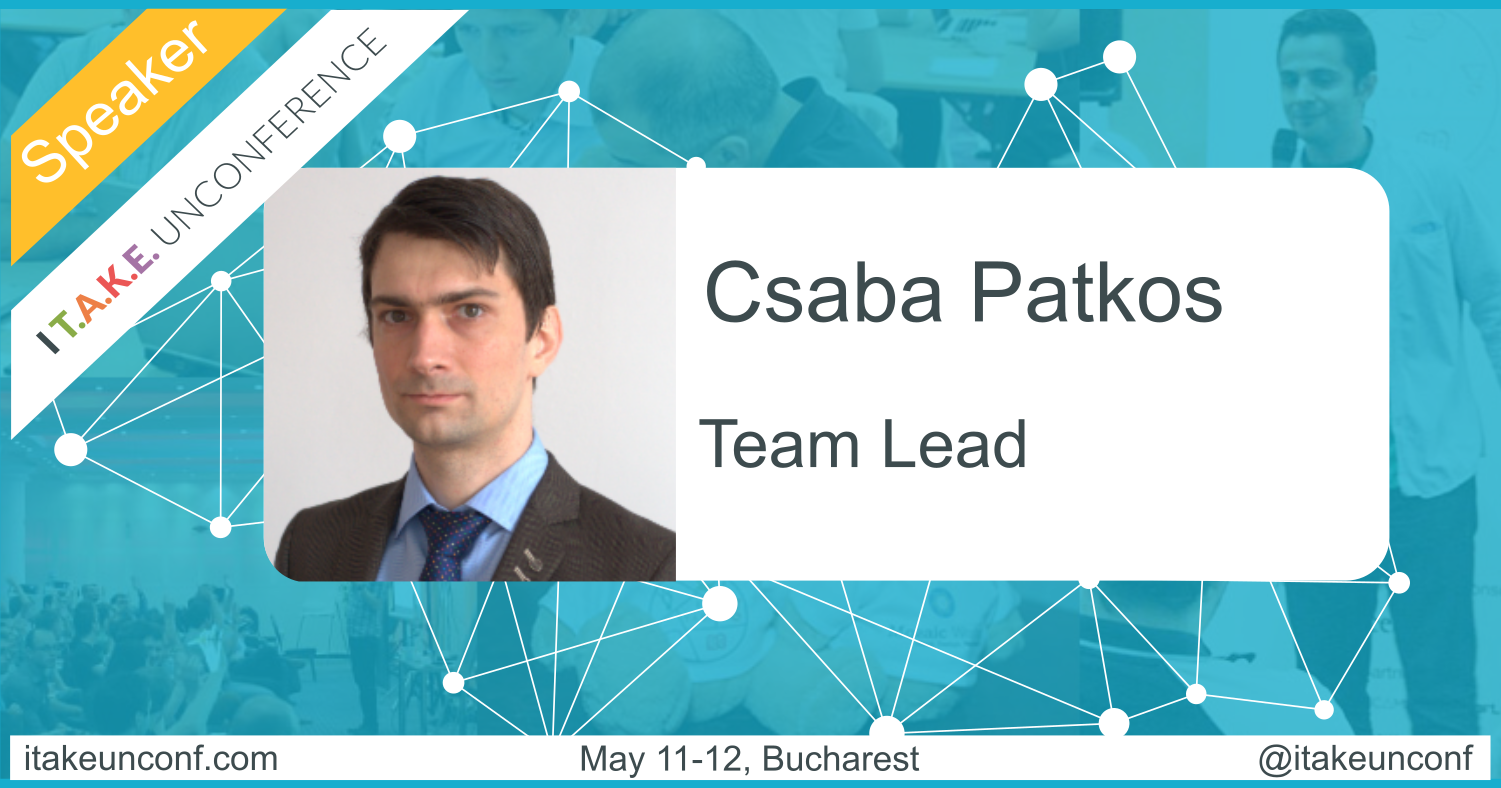
Csaba Patkos, Team Lead Syneto, is a technical practitioner with 15 years of experience in the field. Joining #itakeunconf 2017 as speaker, he will share more in his talk about his experience of growing up as a team leader, mentor, and coach for the team he works with daily.
#1. Please share with us 5 things you did that helped you grow & become the professional you are today
- Reading … I mean a lot. 40-50 books / year are doable. They can mix in a few novels / literature as well.
- Made plans and fought to achieve them. Think about where you want to be in 6 months or 1 year and define the steps you need to take to get there.
- I love programming and software engineering. I do it daily, with dedication.
- Built some useful daily habits that are helping me to get better. For example listen to audio books when driving, daily reading, daily plan of work, etc.
- Talked to the people I admire and I used these talks as sources of inspiration. So, don’t be afraid to approach your professional idols, they are people just like you.
#2. What challenges will the participants find solutions to during your session at I T.A.K.E Unconference 2017?
√ Some people just won’t listen to you.
√ Some people just want to force their ideas on you.
√ Some people don’t care about the topic, they just pick fights with you.
√ Some people think you don’t care, even though you really do.
√ Other communication issues.
#3. Recommend for the participants 3 sources you find inspiration from and would help them better understand you
Want to join Csaba and ~300 software crafters from around Europe?
Register now for I T.A.K.E Unconference 2017!